


What you wear out of the water matters as much as what you wear in it. Freediving garments and caps serve a practical purpose before, during, and after every session — managing warmth, UV exposure, wind chill, and the inevitable transition between wet and dry. Whether you’re pulling off a wetsuit on a cold harbour wall or heading to the pool for a training block, the right apparel makes the difference between a comfortable session and a miserable one.
Why Freediving Apparel Matters
Freediving involves prolonged exposure to water, sun, wind, and — frequently — outdoor conditions that are far from ideal. Unlike scuba divers who spend their surface time near a dive boat, freedivers often train at open water sites, pools, and coastlines where shelter is limited and conditions change quickly. Thermoregulation between dives is a real concern: cold muscles contract less efficiently, breathing patterns become less controlled, and recovery between dives slows down. Proper surface apparel addresses all of this directly.
Beyond thermal function, freediving clothing covers the identity aspect of the sport. Freedivers spend as much time at the surface as underwater — on boats, at competitions, at training camps — and apparel that reflects their commitment to the discipline matters. A well-designed freediving garment bridges both worlds: functional enough for serious training, presentable enough for everyday wear.
Garments and Caps Categories
Garment
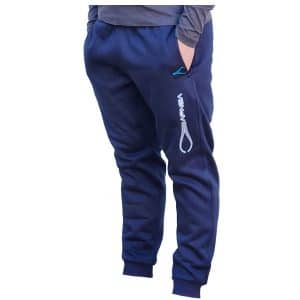
Hoodies, softshell jackets, rashguards, t-shirts, long sleeves, pants, after-dive coats, and ponchos. The core wardrobe for freedivers — designed for movement, quick drying, and post-dive recovery. Rashguards provide in-water UV and abrasion protection; jackets and coats handle the conditions above the surface.
Caps and Gadgets
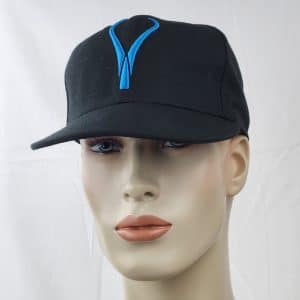
Beanie caps, fleece caps, sunglasses, wristbands, stickers, and branded accessories. Small items with a real functional role — thermal caps prevent heat loss between cold-water dives, sunglasses protect against UV glare during long surface sessions, and branded accessories connect you to the freediving community.
Rashguards and Base Layers: In-Water Apparel
Rashguards are the most versatile piece of in-water apparel for freedivers. In warm water where a wetsuit is unnecessary, a rashguard provides UV protection rated at UPF 50+ — blocking approximately 98% of UV radiation — while also protecting skin from abrasion against boat ladders, rocks, and gear straps. The standard construction uses a blend of polyester and elastane (typically around 80/20) for stretch, shape retention, and resistance to chlorine and saltwater degradation.
Long-sleeve rashguards are preferred for open water sessions due to the additional coverage they provide. They also function as a base layer under a freediving wetsuit, reducing friction when donning an open-cell suit and providing a small additional thermal buffer. Fit matters here: a rashguard worn under an open-cell wetsuit needs to be close-fitting with no bunching, as any loose material will disrupt the vacuum seal that open-cell neoprene relies on for insulation.
Post-Dive and Surface Outerwear
Once out of the water, freedivers lose heat rapidly — particularly in wind. After-dive coats and ponchos are designed to address this transition phase. Cotton ponchos absorb water quickly and provide immediate warmth, but they remain damp for longer. Microfibre ponchos dry faster and are lighter to carry, making them better suited to travel and multi-session training days. Softshell jackets offer wind resistance without bulk and are useful at outdoor sites where conditions can change between morning warm-up and afternoon training dives.
Hoodies function across all conditions — light enough for poolside use, substantial enough for cold mornings at open water sites. The key performance criteria for surface outerwear is quick-dry construction: garments that stay wet for hours become a thermal liability rather than an asset. Look for synthetic fabrics over cotton for anything worn close to water.
What to Look For
- UPF rating for rashguards: UPF 50+ is the standard for adequate sun protection during surface intervals and open-water sessions. Check that the rating is listed for the specific fabric, not just the brand’s general claim.
- Fabric composition: Polyester/elastane blends for rashguards and base layers; synthetic or fleece-lined fabrics for outerwear. Avoid pure cotton for anything worn near water — it dries slowly and loses insulation when wet.
- Fit for intended use: Rashguards worn under open-cell wetsuits need a close, flat fit. Outerwear worn over a wetsuit needs oversized dimensions to accommodate the added bulk.
- Seam construction: Flatlock stitching prevents chafing for garments worn against bare skin; overlock is more durable for outerwear and heavier-use items.
- Quick-dry performance: Critical for ponchos and post-dive garments. Microfibre and technical synthetic fabrics outperform cotton significantly in drying speed.
- Thermal caps: For cold-water training, a close-fitting fleece or neoprene-blend beanie retains heat between dives. Look for a snug fit that stays in place without compressing the ears uncomfortably.
- Sunglasses lens quality: For open-water sessions, polarised lenses significantly reduce surface glare. UV400 protection is the minimum standard for any water-sport sunglasses.
Maintenance and Care
Rinse all garments thoroughly in fresh water after every saltwater session. Salt crystals and chlorine both degrade synthetic fibres over time if left to dry in the fabric. Rashguards and base layers should be washed in cold water on a gentle cycle — high heat breaks down elastane and causes the garment to lose its stretch and shape retention. Do not tumble dry; hang to dry in shade, as prolonged UV exposure degrades UPF-rated fabrics. Softshell jackets and hoodies can generally tolerate standard machine washing but check manufacturer guidance for any items with laminated membranes. Caps and beanies — particularly fleece-lined versions — should be hand-washed or machine-washed on a gentle cycle and reshaped while damp to prevent deformation. Store all garments dry and away from direct sunlight when not in use.
Frequently Asked Questions
Can I wear a regular sports t-shirt for freediving instead of a rashguard?
In the water, a standard cotton or cotton-blend sports t-shirt is a poor substitute for a rashguard. Cotton absorbs water heavily, becomes restrictive under a wetsuit, and provides no meaningful UV protection. Technical rashguards are specifically constructed to remain lightweight and non-restrictive when wet, dry quickly, and maintain UPF-rated sun protection. For pool-only sessions the difference is less critical, but for open-water use a proper rashguard is always the better choice.
Does a rashguard keep you warm in the water?
A rashguard alone provides negligible thermal insulation — it is not designed to retain heat in the same way neoprene does. Its primary functions are UV protection and abrasion resistance. However, worn as a base layer under an open-cell freediving wetsuit, it can slightly improve perceived warmth by reducing the cold-water flush when moving. In warm water above approximately 24–26°C, a rashguard alone is typically sufficient for short sessions.
What is the difference between a cotton poncho and a microfibre poncho for post-dive use?
Cotton ponchos absorb water more aggressively initially and many freedivers find the texture comfortable against skin. However, they remain damp significantly longer than microfibre alternatives, which can become uncomfortable in cold or windy conditions. Microfibre ponchos dry in roughly a quarter of the time, are lighter to carry, and pack down smaller — making them better suited to travel, competition, and multi-session days. For cold-water use where staying dry and warm quickly matters, microfibre is generally the more practical choice.
Why wear a cap between freediving dives?
A significant proportion of body heat is lost through the head — particularly when emerging from cold water with a wet scalp. Wearing a close-fitting fleece or beanie cap between dives helps maintain core temperature and reduces the cumulative thermal stress across a training session. This is especially relevant for cold-water open-ocean training where surface intervals may last several minutes. Even in moderate conditions, a thermal cap extends the duration of comfortable training by slowing heat loss between dives.
Are polarised sunglasses worth it for freediving and open-water training?
Yes, particularly for open-water and boat-based sessions. Polarised lenses filter horizontally reflected light from water surfaces, dramatically reducing glare that causes eye strain during long surface intervals. Standard tinted lenses darken the overall field of view but do not eliminate polarised glare in the same way. For freedivers spending extended time on the water — at competition venues, open-water training sites, or on a boat — polarised lenses significantly reduce fatigue over the course of a session.