

Showing all 7 results
Small items, real function. Caps, sunglasses, wristbands, and accessories that freedivers actually reach for every session — whether it’s a fleece beanie between cold dives, polarised sunglasses on a bright open-water day, or branded gear that marks you as part of the community. Nothing here is decorative filler; every item in this category earns its place in your kit bag.
The Role of Accessories in Freediving Performance
Freediving accessories are often treated as an afterthought, but the items a freediver reaches for most often between dives are not their wetsuit or fins — they are the small items that manage comfort, protect against the environment, and signal identity within the sport. Thermal caps address one of the most consistent sources of heat loss during open-water training. Sunglasses protect against UV-induced eye strain during long surface sessions. Wristbands, stickers, and branded accessories reflect the community dimension of freediving — a sport where athlete identity and shared culture are tightly connected.
Thermal Caps: Function Over Fashion
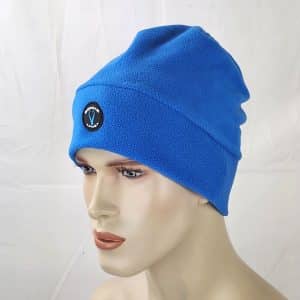
The head and neck account for a disproportionate share of heat loss when the body is wet. After surfacing from a cold-water dive, a bare wet head radiates heat rapidly in any wind. A close-fitting fleece beanie or knit cap worn during surface intervals interrupts this heat loss cycle, allowing the body to recover more efficiently between dives. Over a multi-hour session, this compound effect is measurable — freedivers who manage surface temperature consistently train longer and with better physiological readiness for each successive dive.
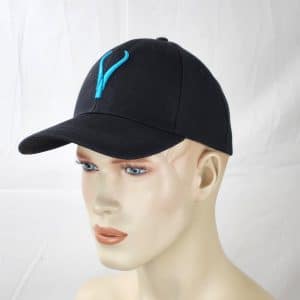
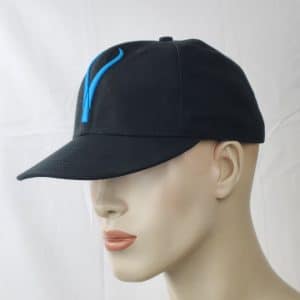
For pool training and warm-water sessions, a lightweight cap still serves a purpose — providing a barrier against pool chemicals on the scalp and maintaining a consistent pre-dive routine. The key fit criterion for a training cap is that it stays securely in place without requiring readjustment between dives, and sits flat enough to allow comfortable mask placement when needed.
Sunglasses and Eye Protection
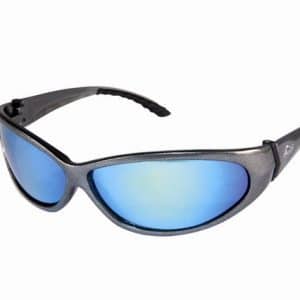
Eye protection is consistently underrated in freediving kit lists. Open-water sessions involve sustained surface time with high UV exposure, particularly on reflective water. Standard tinted sunglasses reduce overall brightness but do not address polarised glare — the horizontally reflected light from water that causes the most significant eye strain. Polarised lenses filter this reflected glare selectively, maintaining visual clarity while reducing the fatigue that accumulates over a long training day. UV400 certification — blocking all UV radiation up to 400nm — is the minimum standard for water-sport sunglasses and should be confirmed before purchase.
What to Look For
- Cap fit and retention: A cap that slips off during surface intervals, or needs constant adjustment, disrupts your routine. Look for a snug fit with enough stretch to sit securely without compressing uncomfortably.
- Fabric warmth-to-weight ratio: Fleece-lined beanies offer the best warmth retention for cold sessions. Lighter knit caps suit pool and warm-weather use. Avoid thick wool for water environments — it dries slowly and can become heavy.
- Sunglasses lens type: Polarised lenses for open-water use; standard UV400 for pool environments where glare is less of a factor. Wraparound frames provide better peripheral coverage in bright conditions.
- Lens durability: Water-sport sunglasses should have scratch-resistant coatings — uncoated lenses degrade quickly when regularly exposed to saltwater and sand.
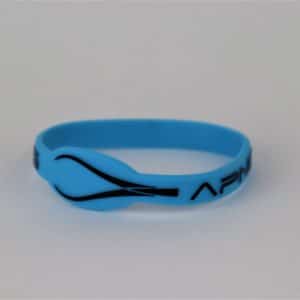
- Wristband comfort: Silicone wristbands should be flexible enough to wear all day without restriction, and resistant to saltwater and chlorine degradation.
Maintenance and Care
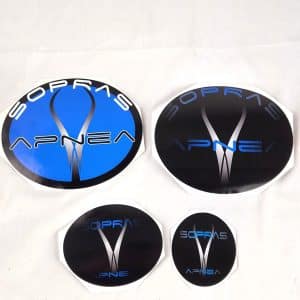
Rinse fleece and knit caps in fresh water after saltwater sessions and reshape while damp — wet fleece in particular loses its form if dried compressed or folded. Machine wash on a gentle cold cycle; do not tumble dry. Sunglasses should be rinsed in fresh water after every saltwater session to prevent salt crystal build-up on frames and lens coatings. Store in a protective case when not in use — loose in a kit bag, they are vulnerable to frame distortion and lens scratching. Silicone wristbands are effectively maintenance-free: rinse, dry, and store. For branded stickers, avoid applying to surfaces that will be submerged or regularly exposed to heat, as adhesion degrades under these conditions.
Frequently Asked Questions
What type of cap is best for cold-water freediving training?
For cold-water surface use, a close-fitting fleece-lined beanie is the most effective option. Fleece retains warmth even when slightly damp and dries faster than wool. The fit should be snug enough to stay in place during surface recovery without being so tight that it causes discomfort over a long session. Avoid thick cotton-knit caps for cold-water use — they absorb water, become heavy, and provide less warmth when wet than fleece alternatives.
Can I wear my regular sunglasses for open-water freediving sessions?
Standard sunglasses will provide some UV protection, but most are not built for sustained water-sport use. The key limitations are: absence of polarisation (meaning water-surface glare remains a problem), lack of scratch-resistant coating on lenses, and frame designs that are not secured against movement in wind or when leaning over the water. For occasional use they are functional, but for regular open-water training, dedicated water-sport sunglasses with polarised, UV400 lenses are significantly more practical and durable.
Do wristbands serve any functional purpose for freedivers?
Silicone wristbands are primarily identity and community items — they are not performance equipment. That said, they are entirely harmless to wear in the water, resistant to saltwater and chlorine, and do not interfere with any freediving activity. For freedivers who wear dive computers or watches, wristbands should be positioned so they do not interfere with the device strap or display readability.
What does UV400 mean on sunglasses, and why does it matter?
UV400 indicates that the lens blocks all ultraviolet radiation with a wavelength up to 400 nanometres — covering both UVA and UVB radiation completely. This is the internationally recognised standard for full UV protection in eyewear. Lens darkness or tinting does not directly correspond to UV protection level; a light-tinted lens with a UV400 coating offers more UV protection than a very dark lens without one. For water sports with high reflective UV exposure, UV400 certification is the minimum to look for.
How should I store sunglasses when travelling to freediving sessions?
Always store in a rigid protective case, not loose in a bag with other gear. Saltwater residue left on lenses and frames accelerates coating degradation — rinse with fresh water and dry with a soft microfibre cloth before storage. Avoid leaving them in direct sun inside a closed car, as high temperatures can warp frames and damage lens coatings over time. For travel, a hard-shell case is preferable to a soft pouch when other kit items in the bag may compress against the lenses.