

Showing all 12 results
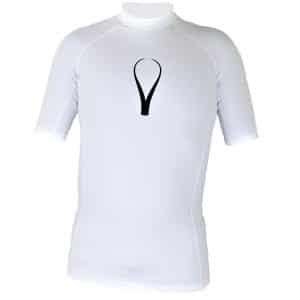
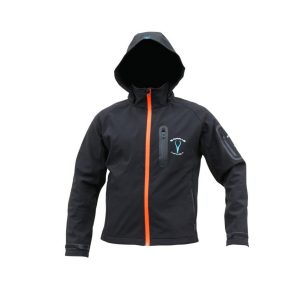
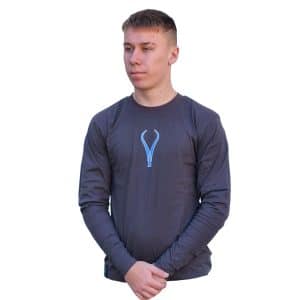
From rashguards worn in the water to after-dive coats pulled on at the surface, freediving garments cover every phase of a session. This category includes the full topside and in-water wardrobe: rashguards, hoodies, softshell jackets, long sleeves, pants, t-shirts, ponchos, and after-dive coats — all designed around the specific demands of training at and around water.

Why Dedicated Freediving Garments Outperform General Sportswear
General athletic clothing is designed for dry-land activity. It handles sweat, allows movement, and looks appropriate. Freediving garments are designed for a different set of conditions: repeated water immersion, rapid temperature transitions between water and air, UV exposure at the surface, and the need to layer efficiently over or under a wetsuit. The fabrics, fits, and construction methods used in purpose-designed freediving apparel address these demands in ways that standard sportswear does not. A rashguard that reads as a simple long-sleeve shirt is actually built with flatlock seaming to prevent wetsuit chafing, UPF-rated fabric to block UV radiation, and a cut that remains non-restrictive underwater. The same distinction applies across the full garment range.
Layering System for Freedivers
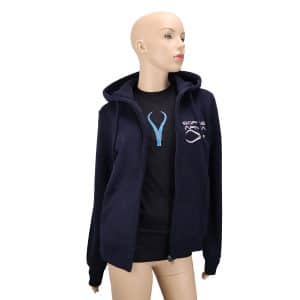
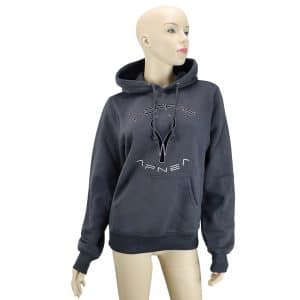
Freedivers benefit from thinking in terms of a layering system rather than individual garments. The in-water layer — typically a rashguard or nothing, depending on conditions — handles UV and abrasion protection. The immediate post-dive layer needs to manage rapid heat loss: a poncho or changing robe that covers quickly and begins drying the body. The outer layer, worn between sessions or travelling to and from the water, handles wind and ambient temperature. A softshell jacket or hoodie fills this role effectively, providing wind resistance without the bulk of a technical shell jacket.
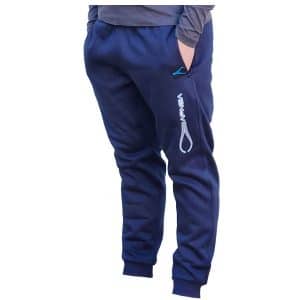
Pants complete the system. Freediving pants in quick-dry synthetic fabrics allow freedivers to change after a session without immediately needing a full change of clothes, and provide leg coverage during surface intervals in cooler conditions. The full layering approach — rashguard, poncho, hoodie or jacket, pants — means a freediver can manage a full day of open-water training in varying conditions with a compact kit bag.
After-Dive Coats and Ponchos: Recovery Garments
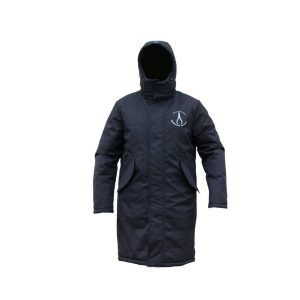
The transition from cold water to dry air is when freedivers lose the most heat. Wind chill on a wet body is significant — even in mild ambient temperatures, a strong surface wind can cause rapid cooling immediately after a dive. After-dive coats are designed to be pulled on quickly over a wetsuit, providing immediate wind protection and beginning the drying process. A well-designed coat is large enough to accommodate a 5–7mm wetsuit underneath, has a hood to address head heat loss, and uses a quick-dry synthetic or fleece lining rather than cotton.
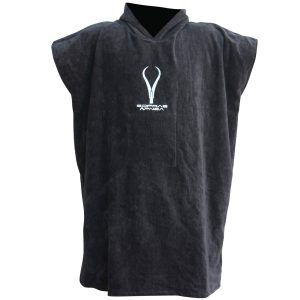
Ponchos serve a related but slightly different purpose: they are primarily changing garments, allowing a freediver to remove a wetsuit and get into dry clothes without needing a changing facility. Cotton ponchos are absorbent and comfortable against skin but dry slowly. Microfibre and synthetic ponchos dry faster and pack smaller, making them more practical for travel and multi-venue training.
What to Look For
- Rashguard UPF rating: UPF 50+ is standard for meaningful UV protection. Confirm the rating applies to the specific fabric construction, not just brand marketing.
- Seam type: Flatlock seams for rashguards and base layers (no raised ridges against skin); overlock or standard seaming for outerwear where abrasion resistance matters more than in-skin comfort.
- Fit relative to use: Rashguards worn under open-cell wetsuits must be close-fitting with no excess material. Ponchos and after-dive coats must be large enough to accommodate a full wetsuit underneath.
- Quick-dry fabric: Any garment worn in or near water should be synthetic. Polyester and nylon dry significantly faster than cotton and retain insulating properties when damp.
- Hood quality: For cold-water use, a hood that fits properly and stays in place in wind is a significant functional feature — particularly in after-dive coats and hoodies.
- Pocket placement: Front kangaroo pockets are useful for hand warming during surface intervals. Zippered pockets are preferable for any garment worn near water where items might fall out.
- Rashguard length: Long-back construction prevents exposure at the waist when leaning over the water or stretching. Check for longer-cut backs in rashguards intended for active water use.
Maintenance and Care
Rinse all garments in fresh water immediately after saltwater or pool use. Rashguards and long sleeves should be machine washed on a cold gentle cycle — hot water and tumble drying degrade elastane fibres, causing the garment to lose its stretch and close fit over time. Hang to dry in shade; sustained UV exposure on UPF-rated fabrics gradually reduces the effectiveness of the protective treatment. Hoodies and softshell jackets should be washed according to manufacturer guidance — laminated membranes and technical treatments require specific care to remain functional. Do not use fabric softener on technical garments; it coats fibres and reduces moisture-wicking and quick-dry performance. Ponchos and after-dive coats should be fully dried before storage to prevent mildew in the interior lining. Hang open and allow to air dry completely after each use.
Frequently Asked Questions
Can I use a rashguard under an open-cell freediving wetsuit?
Yes, but fit is critical. A rashguard worn under an open-cell wetsuit must be very close-fitting with no bunching or folds. Open-cell neoprene seals against skin via a vacuum effect — any loose fabric between the neoprene and skin breaks that seal, allowing water to enter and reducing thermal performance. Choose a rashguard specifically cut for use as a base layer, and ensure the fit is tight enough to remain flat against the skin throughout the full range of motion required during a dive.
What is the difference between a softshell jacket and a hoodie for freediving use?
A softshell jacket prioritises wind resistance and light weather protection through a denser outer fabric with some water repellency. It is the better choice for exposed outdoor locations, boat trips, and cold-wind conditions where ambient temperature is the primary challenge. A hoodie is lighter, more packable, and more comfortable for low-wind conditions, pool environments, and travel. For most freedivers, a hoodie covers the majority of use cases; a softshell becomes the better choice when regularly training in exposed coastal or mountain lake environments with variable weather.
How big should an after-dive coat or poncho be?
Large enough to fit comfortably over your thickest wetsuit. For most freedivers this means a 5–7mm two-piece wetsuit. When sizing a poncho or after-dive coat, consider the maximum thickness of wetsuit you own and size accordingly — a coat that fits over a 3mm suit may not accommodate a thicker winter setup. Most after-dive coats and ponchos are designed with generous sizing for exactly this reason, but check dimensions against your specific wetsuit thickness before purchasing.
Is there any functional difference between freediving-branded apparel and general athletic wear?
For purely land-based use — travel, everyday wear, training on land — the functional difference is minimal. The distinction becomes meaningful for garments that go near or in the water. Freediving-specific rashguards are constructed with seaming and cuts that accommodate underwater movement and wetsuit layering. Quick-dry performance in ponchos and outerwear is typically better in purpose-built freediving garments than general athletic equivalents. Additionally, freediving-branded apparel is designed to be worn at dive sites, competitions, and in contexts where the community aspect of the sport matters.
How do I remove saltwater odour from freediving garments?
Consistent fresh-water rinsing immediately after use prevents most odour build-up. If odour has already developed, soak the garment for 30 minutes in a solution of cold water and white vinegar before washing — this neutralises the bacterial compounds responsible for the smell without damaging technical fabrics. Avoid hot water and tumble drying at any stage, as heat sets odour into synthetic fibres and degrades the fabric. Ensure the garment is completely dry before storage; damp storage is the primary cause of persistent mildew odour in freediving apparel.