


Showing 1–12 of 16 results
A well-maintained speargun is a reliable speargun. The spare parts range here covers the complete maintenance and customisation inventory for Sopras spearguns — from the internal components that keep a pneumatic gun sealed and pressurised, to the shafts, tips, and bands that determine how the gun performs in the water. Most speargun failures are component failures, not structural ones: having the right part on hand means a repair takes minutes rather than cancelling the session.
Internal Components: Keeping the Gun Functional
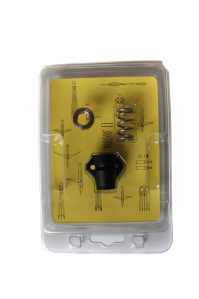
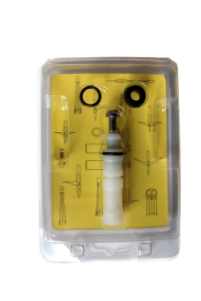
The Speargun piston set is the core maintenance component for pneumatic spearguns. The piston assembly and its seals are the parts most subject to wear from repeated compression and saltwater exposure — a gun that loses air pressure between sessions almost always has a piston or seal issue. Replacing the piston set is the first diagnostic step for any pneumatic gun that no longer holds pressure.
The Speargun hand pump is required to recharge the air chamber of a pneumatic gun after servicing or after any pressure loss. It connects to the gun’s charging valve and allows precise, controlled inflation to the correct operating pressure for each gun length. A pump should be considered a required accessory for any pneumatic speargun owner — without it, a gun that loses pressure between sessions cannot be returned to service.
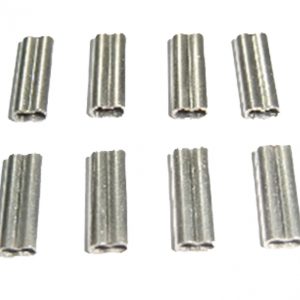
Barrel crimps are the ferrule-style fittings that secure the line to the barrel of the speargun at the muzzle end. They are small consumable items that can be damaged during line replacement or from repeated loading — keeping a supply on hand avoids the frustration of a line that cannot be properly secured.
The Wishbone is the V-shaped connector that attaches the latex band to the shaft notch on a rubber band speargun. It is a consumable item that wears from repeated loading and from contact with the shaft notch — a cracked or deformed wishbone should be replaced before it fails under load, as a broken wishbone during loading can cause injury.
Shafts and Tips: Performance Components
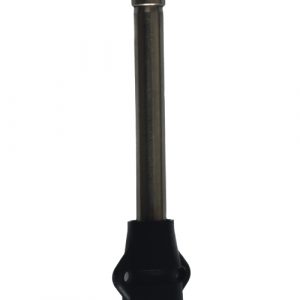
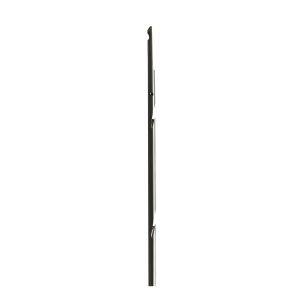
The Shaft is available in multiple diameter variants. Shaft diameter must match the barrel internal diameter of the specific speargun — using the wrong diameter results in poor accuracy and potential damage. Shafts are consumable items: they bend on contact with hard surfaces, corrode if not maintained, and are replaced as a normal part of speargun ownership rather than as an exceptional repair.
The Shaft with flopper is a pre-assembled shaft with a retention tip already fitted — the flopper wing is hinged and folds during penetration, then opens behind the fish to prevent the shaft from pulling back out. Available in multiple diameter variants corresponding to different gun sizes.
Tip options available separately include Tips – flop single wing and Tips – flop double wings. Single-wing floppers are standard for most applications; double-wing floppers provide greater retention force and suit larger or harder-scaled target species. Tips are threaded onto the shaft and can be changed to suit different hunting conditions without replacing the whole shaft.
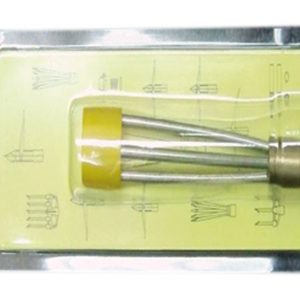
The Paralyzer tip is a multi-pronged tip rather than a single-point flopper. It is used for smaller fish and for situations where a clean, centred hit is more reliable than shaft penetration through the body — common for certain reef species that are difficult to hit cleanly with a single point.
Line and Retrieval Components
The Spear shaft line set is the line assembly that runs from the shaft to the reel or float line — the component that keeps the fish connected to the diver after the shot and allows the shaft to be retrieved. The line set is a consumable item that should be inspected regularly for wear, fraying, and knot integrity.
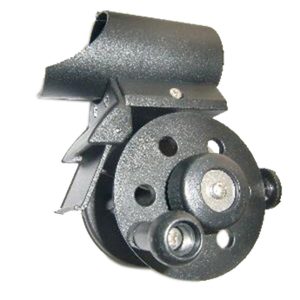
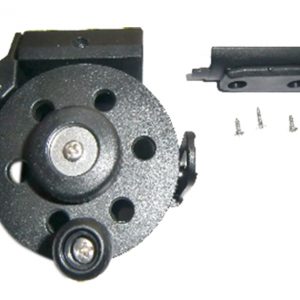
The Reel pneu and Reel rubber are reels designed for pneumatic and rubber band spearguns respectively. A reel mounts to the gun barrel and holds a length of line that pays out when a fish runs after being shot, preventing the line from pulling the gun out of the diver’s hand or stripping the float line entirely. The two reel variants differ in their mounting system to suit the barrel geometry of each gun type.
The Bungee is a shock-absorbing element used between the speargun line and the float line or reel. When a fish is shot and runs hard, the bungee absorbs the initial shock load that would otherwise jerk the speargun or the diver. It also reduces the risk of the shaft pulling free on a glancing hit by cushioning the sudden tension.
The Stringer is a metal spike or clip used to hold harvested fish during the dive. It clips through the fish’s gill or mouth and attaches to the diver’s belt or buoy, keeping the catch secure and leaving both hands free. A necessary accessory for any spearfisher carrying fish back from depth.
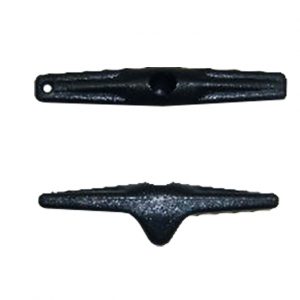
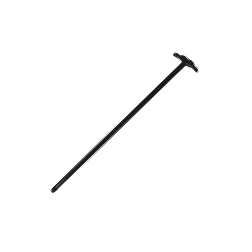
The Loader is a tool used to assist with loading latex bands on a rubber band speargun. It provides a grip point and leverage that makes pulling bands back over the shaft notch easier, particularly for thick or multiple-band setups where loading by hand alone is difficult. It is a small but significant quality-of-life item for regular band gun use.
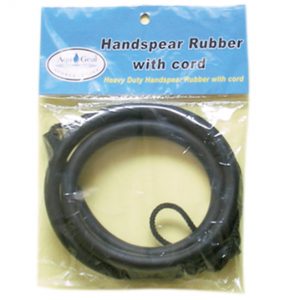
Latex bands are the primary power component of a rubber band speargun and the most frequently replaced consumable. Available in multiple diameter variants — thicker bands provide more power at the cost of greater loading effort. Bands degrade from UV exposure and should be inspected regularly for surface cracking.
What to Look For
- Correct shaft diameter for your gun. Shaft and tip compatibility depends on matching the shaft diameter to the barrel. Check your existing shaft or gun specification before ordering replacement shafts or tips — diameter variants are listed on each product page.
- Tip type matched to target species. Single-wing floppers for general use; double-wing floppers for larger or tougher fish; paralyzer tips for smaller reef species. Carrying a spare tip of the appropriate type means a damaged tip mid-session does not end the day.
- Band thickness for your loading capability. Thicker bands deliver more power but require significantly more loading effort. Match band thickness to what you can load reliably at depth after multiple dives — over-reaching on band thickness leads to loading fatigue and inconsistent technique.
- Piston set as a standard spare. For pneumatic speargun owners, having a piston set on hand eliminates the main single point of failure. A gun that loses pressure before or during a trip can be repaired on-site rather than waiting for a part to be ordered.
Maintenance and Care
Rinse all spare parts and installed components with fresh water after every saltwater session. Metal components — shafts, tips, crimps, wishbones, reels — corrode in saltwater if left untreated. Dry thoroughly before storage.
Apply a light coat of silicone oil to shafts before storage to prevent surface oxidation. Check shaft straightness periodically — a shaft that has contacted rock or hard substrate should be sighted down its length before the next dive. A bent shaft is not repairable and should be replaced.
Inspect latex bands before every session and replace at the first sign of surface cracking, discolouration, or reduced elasticity. Store bands in a cool, dark location away from sunlight and ozone sources (motors, electrical equipment) — both degrade latex significantly faster than simple age.
Clean reel mechanisms with fresh water, operate through several cycles to clear salt from the internal mechanism, then dry and apply a small amount of silicone lubricant to the reel axle. A stiff reel that does not pay out freely under load is a safety issue when a large fish runs — address it before the session rather than during.
FAQ
How often should I replace the latex bands?
Replace bands at the first sign of surface cracking, white or grey discolouration on the surface, or reduced snap-back when stretched. There is no fixed interval — a band stored correctly in low UV, away from ozone, can last a full season or more. A band left in direct sun or heat for extended periods may need replacement within weeks. Inspect before every session as a habit, and carry a spare pair on any serious spearfishing trip.
What is the wishbone and why does it fail?
The wishbone is the V-shaped connector between the latex band and the shaft notch. It fails from metal fatigue at the bend points from repeated loading cycles, from corrosion if not maintained in saltwater, and from mechanical damage if the band snaps under load. Inspect the wishbone at the same time you inspect the bands — a slightly deformed or corroded wishbone should be replaced before it breaks during the loading process.
Do I need a reel for recreational spearfishing?
For shallow reef hunting with a float line to a buoy, a reel is not required — the float line handles the fish’s run and keeps the shaft retrievable. A reel becomes important when diving deeper than your float line length, hunting open-water species that make long hard runs, or in situations where the float line itself would create a hazard (boat traffic, strong current). It is more common among experienced spearfishers than beginners.
What does the loader tool do exactly?
The loader provides a handle and leverage point for pulling latex bands back over the shaft to the loading notch. Without it, loading is done by gripping the band directly and pulling — adequate for light single-band setups but increasingly difficult with thick or double bands. The loader reduces hand fatigue over a multi-dive session and makes loading safer by giving a more controlled grip during the loading motion.
Can I mix shafts and tips from different manufacturers?
Thread standards for speargun tips are not universally consistent across manufacturers. Tips and shafts from the same manufacturer are guaranteed compatible; mixing brands may result in thread mismatch, loose tips, or tips that cannot be secured tightly enough to be safe. Using the shafts and tips from this spare parts range with the Sopras spearguns is the recommended approach for confirmed compatibility.